
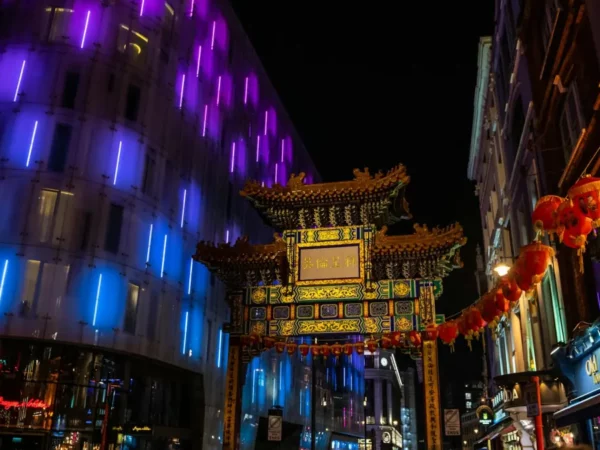
The difference between a forgettable night and a great one is usually not money, popularity, or luck. It is fit. A lot of people search for the “best” place and end up disappointed because they chose based on hype, not on mood. If your energy is calm and conversation-heavy, an intense packed room can feel like work. If you need movement and momentum, a low-energy seated environment can flatten the whole evening. A better approach is mood-first selection. Start with the night you want to feel, then choose the setting that naturally supports it.
Start with an honest mood check before you leave home
Before you look at listings, do a quick self-audit. Ask three things: What is my social battery tonight, what pace do I want, and what would feel like a win by the end of the night? If your battery is low, you need lower noise, less crowd pressure, and easy exits. If your battery is high, you may want a room with movement and spontaneous interaction. Most people skip this step and default to whatever is trending. That creates mismatch. A two-minute mood check removes most of that friction and gives you a clean filter for every option that follows.
Also be realistic about how your mood changes over time. The place that feels great at 8pm may feel loud at 11pm. Plan for that shift. Choose spaces where you can either settle deeper into conversation or transition out without drama. Nights feel better when they are designed around your real energy curve, not your idealized version of yourself.
Read atmosphere signals instead of marketing language
Promotional language often sounds identical across venues, so useful decisions come from signals, not slogans. Watch for lighting density, music profile, queue behavior, and table turnover. Warm lighting and slower table turnover usually indicate a deeper, more conversational environment. Fast-moving queues and high-volume tracks usually indicate a high-velocity, social-performance setting. Neither is better by default. The point is alignment.
Check posted photos with skepticism. Ask what they suggest about spacing and body language. Are people leaning in and talking, or filming and moving continuously? Is the room arranged for flow or for dwell? The answers tell you what kind of night is likely. Once you learn to read these cues, you stop gambling and start choosing with intent.
Match the venue to your social objective, not your ego
Every night has a social objective, even when we pretend it does not. You might want to reconnect with a close friend, meet new people, celebrate, decompress, or simply feel visually inspired. Different objectives need different conditions. Reconnection needs audibility and time. Meeting new people needs movement and approachable clusters. Celebration can carry more volume and spectacle. Decompression needs comfort and low social demand.
Ego tends to push people toward places that look impressive from the outside. Objective-based planning gives better outcomes. If the purpose is good conversation, pick the environment where conversation can happen easily. If the purpose is social discovery, choose a place with natural circulation and a friendly interaction culture. You do not need the most famous room. You need the room that serves your objective.
Use a spending rhythm instead of a fixed budget number
Most budgeting advice for nights out is too blunt. A single number does not account for pacing. The smarter method is spending rhythm: entry cost, early round tempo, mid-evening drift, and late-night pressure points. Some places look affordable at first and then spike quickly with service cadence and impulse add-ons. Others feel expensive upfront but stay predictable through the night.
Set a rhythm before you go. Decide where you are comfortable spending early, where you want to hold steady, and what your hard stop looks like. This protects the mood. Financial stress is one of the fastest ways to kill momentum. When cost is planned as rhythm, not panic control, you make cleaner decisions and keep the experience coherent.
Plan your movement path so the night stays smooth
Great nights often depend on logistics that nobody talks about. Transport timing, walking distance between stops, queue variability, and exit options all shape mood. If the first venue has unpredictable entry, keep a second option nearby that supports the same emotional tone. If the area gets difficult after midnight, decide your end-point early so you are not negotiating tired decisions at the curb.
Movement path matters because energy is fragile. Too many transitions can break the vibe, while one thoughtful move can reset and improve the night. Build a simple route with one anchor location and one optional pivot. That structure creates flexibility without chaos and helps everyone in your group stay on the same page.
Spot red flags early and switch before the night sinks
People stay too long in the wrong room because they hope it will improve. A better rule is to identify red flags in the first 20 to 30 minutes. Examples include impossible conversation volume when conversation is your goal, service friction that keeps escalating, crowd behavior that feels performative rather than welcoming, or a pace mismatch that leaves your group split. Red flags are not moral judgments. They are fit indicators.
If two or three red flags appear quickly, switch. Do it early while the group still has energy. The move itself can save the night. Decisive pivots are often the difference between a frustrating evening and a memorable one. Treat venue choice as adaptive, not fixed, and you will recover faster when conditions are off.
Build a personal vibe map you can reuse every weekend
The most useful upgrade is creating your own vibe map. Keep short notes after each night: what mood you started with, where you went, what worked, what dragged, and where your energy changed. Over time patterns become obvious. You will know which spaces suit low-battery catchups, which support high-energy social drift, and which look good online but rarely deliver for your goals.
This turns nightlife decisions from guesswork into a lightweight system. You stop outsourcing taste to trends and start building confidence in your own calibration. That confidence is what readers really want: fewer wasted nights, better social fit, and choices that reflect who they are right now. Mood-first planning is not restrictive. It is freedom with intention.